
Painting in Winter in New England: What You Can Do Inside
· By Efrain Maria
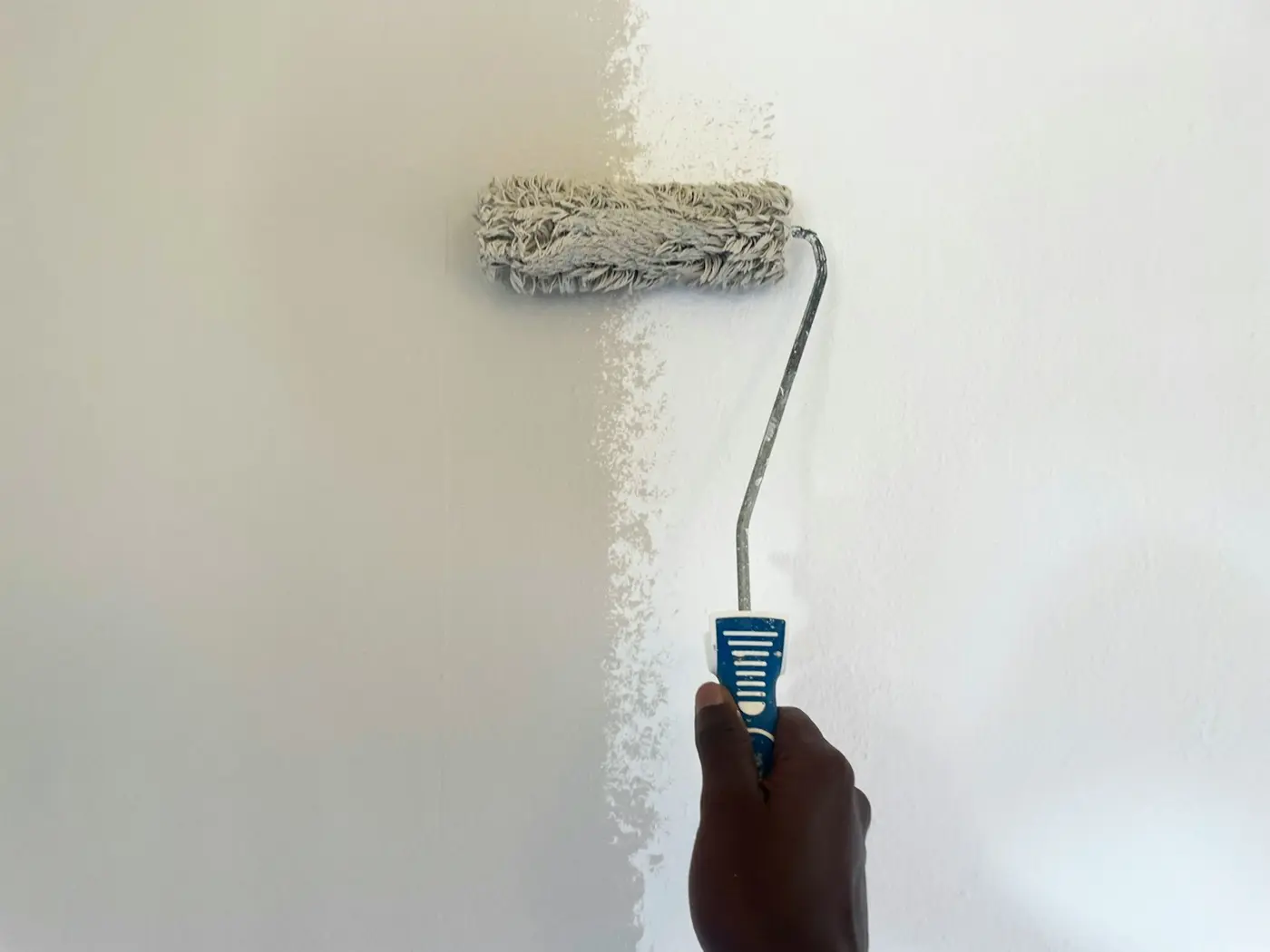
Once the cold sets in across Massachusetts and southern New Hampshire, exterior painting season is over. A lot of homeowners assume that means painting is done until spring. It does not. Winter is actually one of the best times of the year to get interior work done.
Here is why winter works well for interior painting, which projects fit best, and what to think about when painting inside a closed up house in January.
Why winter is a good time to paint inside
During the warm months, many painters are focused on exterior work, which has to happen while the weather allows. In winter, schedules often open up, which can make it easier to book interior work on dates that suit you.
Winter also lines up with how people live. You spend more time indoors and notice every scuff and faded wall. Many families want rooms refreshed before hosting a holiday, before a new baby, or before putting a house on the market in spring. Doing the work in winter means the house is ready when the busy season comes.
Projects that fit winter well
Full room repaints, walls and ceilings, are the obvious ones. Trim, baseboards, and doors are great winter projects too, since they make a big visual difference and can be done room by room without disrupting the whole house.
Winter is also a good time for wall prep and drywall patching. Nail pops, cracks along seams, and dents tend to show up as houses settle and heat dries the air. Fixing them and repainting in the same visit gives you smooth walls for the next several years.
Temperature inside the house
Interior paint needs a reasonable room temperature to dry and cure well, generally similar to what is comfortable for living. Most homes are fine as long as the heat stays on. Rooms that are kept cold, like a closed off guest room, an unheated sunroom, or a cool basement, may need to be warmed up for the job and for a while after.
Avoid aiming a space heater directly at a freshly painted wall. Steady, even warmth is better than blasting heat at one spot.
Dry air, humidity, and drying times
Winter air in New England is dry, especially with forced hot air heating. Dry air helps paint dry faster on the surface. That is usually a good thing, but on very dry days it can make it harder to keep a wet edge when rolling large walls, so a painter may work in smaller sections.
Bathrooms and kitchens are the exception, since showers and cooking add moisture. It helps to keep the exhaust fan running and avoid long hot showers in a freshly painted bathroom for a day or two.
Ventilation with the windows closed
Modern water based paints are low odor, but some smell is normal while they dry. In summer you open every window. In winter you usually cannot, at least not for long.
Cracking a window for short periods, running bathroom and kitchen exhaust fans, and keeping interior doors open to spread air through the house all help. Planning the order of rooms also matters, so bedrooms are finished early in the day and have time to air out before night.
Snow, salt, and protecting floors
Winter brings wet boots and salt. On winter jobs we keep entryways covered and set up a clean path from the door to the work area so snow and salt stay off your floors. Ask any painter how they handle this, since a careful crew protects the walkway as well as the room.
Weather can still matter for scheduling. A big snowstorm can push a start date by a day, so it helps to agree on a simple plan for rescheduling.
Planning ahead for spring exterior work
Winter is also the best time to get an exterior estimate for next season. The siding and trim are easy to see without leaves in the way, and booking early gives you a better shot at the dates you want once painting weather returns.
If you are thinking about both, an estimate visit can cover the interior project now and the exterior plan for spring at the same time.
Getting the house ready for a winter job
The prep you do before the crew arrives is the same as any time of year: clear small items, take down wall decorations, and empty closets that are being painted. In winter it also helps to clear space near the entry for boots and gear and to think about where coats and holiday decorations will go while rooms are being worked on.
If you are hosting during the holidays, tell your painter the date. It is much easier to plan the order of rooms around a deadline when it is known at the start than to squeeze things in at the last minute.
Frequently asked questions
- Can you paint the inside of a house in winter?
- Yes. As long as the home is heated to a normal living temperature and there is some ventilation, interior paint dries and cures well in winter.
- Is winter a cheaper time to paint?
- Pricing depends on the painter and the job. What winter often offers is more scheduling flexibility, since many painters are busy outside during warm months.
- How do you ventilate when painting in winter?
- Crack windows for short periods, run exhaust fans, and keep interior doors open to move air. Low odor water based paints make this much easier than in the past.
- What temperature should a room be for painting?
- A normal heated living temperature works for most interior paints. Follow the paint label, and warm up rooms that are usually kept cold before and after painting.
- Should I schedule my exterior painting in winter?
- Winter is a good time to get an exterior estimate and book a spot for spring or summer, since the painting season in New England is short and fills up early.
Ready for an exact price?
Get a free, no-pressure in-home estimate. Real numbers for your home, not a phone guess.