
7 Signs Your House Needs Exterior Painting
· By Efrain Maria
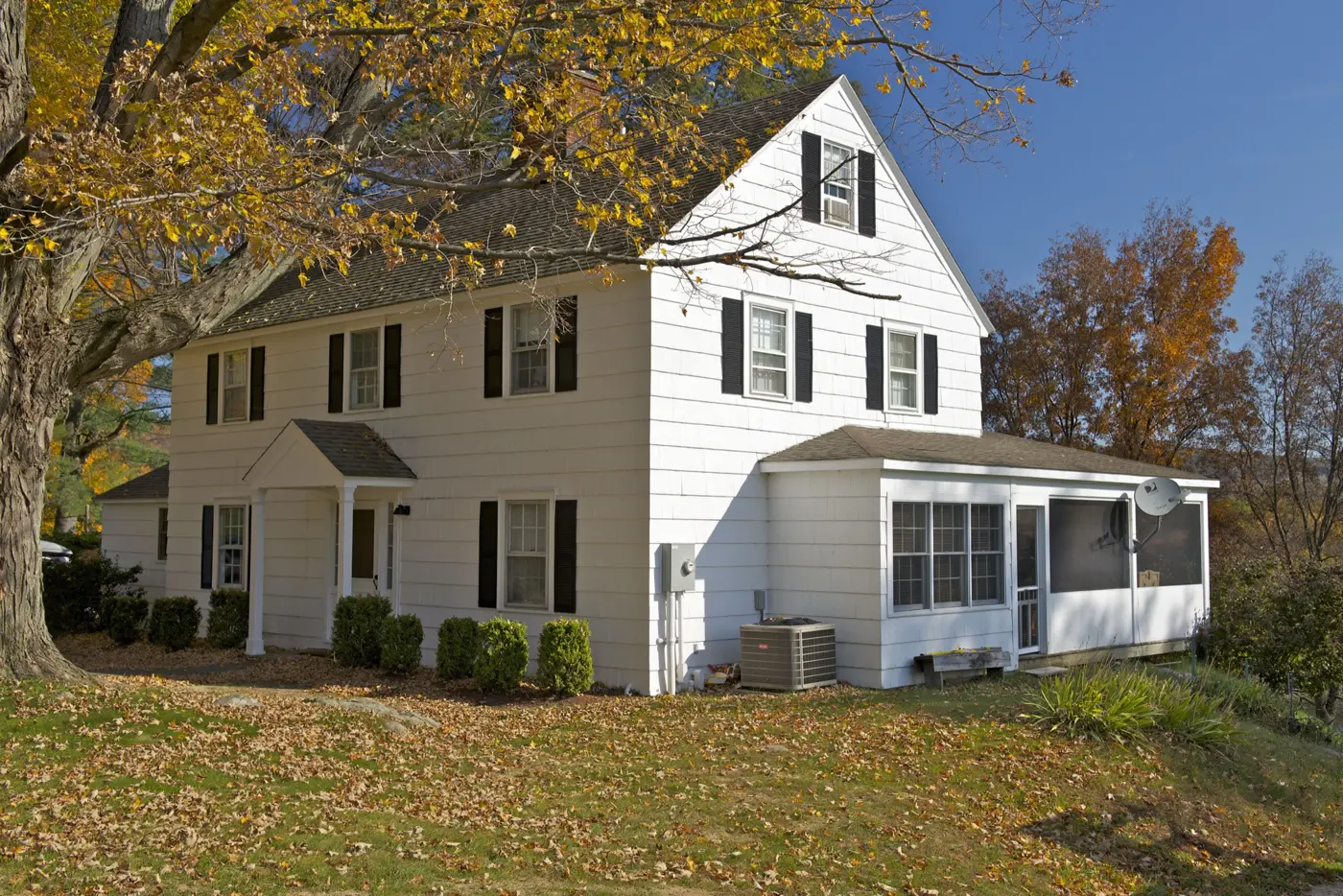
Exterior paint has two jobs: making the house look good and protecting the wood underneath from water and sun. When it stops doing the second job, the clock starts on repairs. The good news is that the warning signs are easy to spot if you know what to look for.
Take a slow walk around your house on a dry day. Look at each side, including the back and the sides nobody sees from the street. Here are the seven signs we look for when we walk a house for an estimate in Lowell and the surrounding towns.
1. Peeling, flaking, or blistering paint
This is the most obvious sign. When paint lifts off the surface, water gets in behind it and the peeling spreads. Blisters, the small bubbles under the paint, usually mean moisture is trapped underneath, either from wet wood when it was painted or from water getting in from inside the wall or behind trim.
A few small spots can sometimes be spot repaired. When peeling shows up on several sides or in large areas, the paint has usually reached the end of its life.
2. Chalky residue on the siding
Rub your hand across the siding on the sunny side of the house. If it comes away with a white or colored powder, the paint is chalking. Some chalking is normal as paint ages, but heavy chalking means the binder in the paint is breaking down and it is not protecting the surface well anymore.
Chalky surfaces need to be washed and prepped properly before repainting, because new paint does not stick well to powder.
3. Cracking and alligatoring
Fine cracks in the paint film let water in, and over time they can turn into a pattern that looks like reptile skin, often called alligatoring. It is common on older homes with many layers of paint that have become hard and brittle.
Cracked paint usually needs more scraping and sanding before repainting, and on pre-1978 houses that work should be done with lead-safe practices.
4. Failed caulk around windows, doors, and trim
Look at the joints where trim meets siding and around windows and doors. If the caulk is cracked, shrunken, or pulling away, water has a direct path behind the paint. This is one of the most common causes of rot around windows on New England homes.
Re-caulking is part of good exterior prep. Done before repainting, it seals the house and helps the new paint last longer.
5. Faded or uneven color
Compare the sunny side of the house to the shady side or a protected spot under the eaves. If the color looks noticeably different, the paint on the exposed sides has broken down. Fading on its own is mostly cosmetic, but it is often the first stage before chalking and peeling.
Faded paint is also a good moment to think about color. If you were going to change it anyway, repainting before the paint fails is the easiest time to do it.
6. Soft or rotted wood
Press gently on window sills, the bottom of corner boards, fascia boards, and the lower edges of doors and door frames. If a screwdriver tip sinks in easily or the wood feels spongy, there is rot. This is the sign that matters most, because painting over rot does not fix it.
Rotted wood needs to be repaired or replaced before painting. A good painter will point it out at the estimate instead of covering it up, so you can have it fixed by a carpenter first and keep the problem from spreading.
7. Mildew, stains, and dirt that will not wash off
Dark spots on the shady sides, especially near the ground or under trees, are often mildew. Rust stains from nails and stains under gutters are also common. A wash can clean a lot of it, but if stains come right back or the paint underneath is worn, it is time to repaint.
Proper prep includes cleaning these areas well so the new paint does not trap mildew or dirt underneath.
What to do if you see these signs
One or two signs in small spots usually means maintenance: a little scraping, caulk, and touch up. Several signs on multiple sides means it is time to plan a full repaint, ideally before the next winter.
If you want a second set of eyes, book a free estimate. We walk every side of the house with you, show you what we see, and tell you honestly whether it needs a full job, a partial job, or can wait another season.
Why waiting costs more
Exterior paint failure rarely stays small. Water gets behind a peeling spot, the wood swells, more paint lets go, and the cycle repeats. A few seasons later, what could have been a scrape and paint job turns into replacing sills, trim boards, or clapboards.
Catching the signs early keeps the job in the painting category instead of the carpentry category. It also keeps the prep shorter, because there is less failed paint to remove. That is the practical reason to walk your house every spring.
Frequently asked questions
- How do I know if my house needs painting or just washing?
- If the paint is intact and the color is even after cleaning, a wash may be enough for now. If you see peeling, cracking, heavy chalking, or failed caulk, the paint is no longer protecting the wood and a repaint is due.
- Can I paint over peeling paint?
- No. Loose paint has to be scraped and the edges sanded first, or the new paint will peel along with the old. Prep is what makes an exterior paint job last.
- What causes paint blisters on the outside of a house?
- Usually moisture trapped under the paint, from painting over damp wood or from water getting into the wall. Heat on dark colors can also cause blistering. The cause should be addressed before repainting.
- Is rotted trim a painting problem?
- Rotted wood needs carpentry repair or replacement before painting. Paint cannot fix rot, but keeping the wood painted and caulked helps prevent it.
- When is the best time to check my exterior paint?
- Once a year, ideally in spring after the snow melts. That gives you time to plan any repainting for the summer or early fall painting season.
Related services
Ready for an exact price?
Get a free, no-pressure in-home estimate. Real numbers for your home, not a phone guess.