
Painting a Home in Lowell, MA: What Owners of Older Houses Should Know
· By Efrain Maria
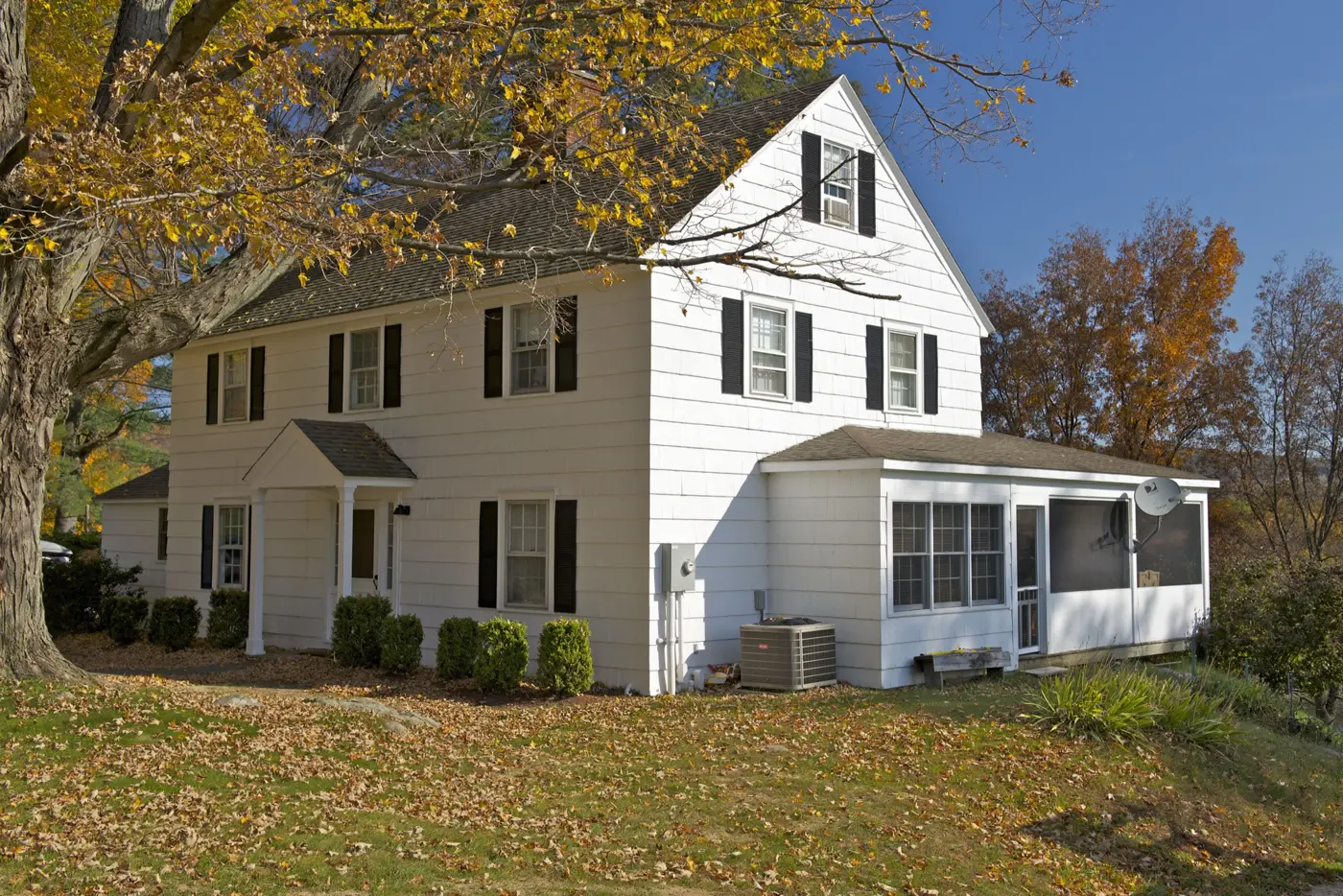
Lowell is home base for me. I have spent more than 20 years in the United States working in construction, and a lot of that time has been spent inside and around the kind of houses Lowell is full of: two-families and three-deckers, old Victorians with layers of trim, and smaller homes that have been painted over so many times nobody knows what is under the top coat.
Painting in this city is different from painting a newer subdivision house. The age of the housing, the number of multi-family buildings, and our New England weather all change how a job should be planned. This guide covers what I tell Lowell homeowners and landlords before they repaint, so you know what to expect and what to ask any painter you talk to.
What Lowell housing is really like
Lowell grew up around the mills on the Merrimack and Concord rivers in the 1800s, and the city still has a large stock of older homes built for the people who worked there. Neighborhoods like Centralville, Pawtucketville, Belvidere, and the Highlands each have their own mix, from large Victorians to tight rows of multi-family houses on small lots.
For painting, that history shows up in a few ways. Wood clapboard and wood trim are common, so the exterior needs real scraping and priming, not just a fresh coat. Inside, you often find plaster walls instead of drywall, ceilings with old cracks, and window and door casings that have a dozen coats on them. Multi-family buildings add stairwells, shared hallways, and porches that take more time than people expect.
Lead paint in older Lowell homes
Most houses in Lowell were built well before 1978, the year lead-based paint was banned for residential use. That means there is a real chance of lead somewhere under the newer paint, especially on windows, doors, trim, porches, and stair railings, the surfaces that rub and chip.
Massachusetts has its own Lead Law, which puts responsibilities on owners when a child under six lives in a pre-1978 home, and federal rules cover how renovation and painting work that disturbs old paint should be handled. If you own a rental or a pre-1978 home, ask any painter how they will handle dust and paint chips, and check the Massachusetts Department of Public Health resources on lead before work starts. It is better to plan for it than to find out halfway through a scraping job.
Prep is most of the job here
On an older Lowell house, the paint is the easy part. The time goes into prep: scraping loose paint, sanding edges so they do not show through, filling gaps, caulking joints in the trim, and spot priming bare wood. Skip that and even the best paint will peel in a couple of seasons.
Inside, plaster cracks and old patches need to be opened up, filled, and sanded flat before any color goes on. I do a lot of this with a brush and roller the old way, because cutting in clean lines against old trim and uneven walls looks better by hand than with a sprayer, and it keeps overspray off floors and furniture in occupied apartments.
Choosing colors for a Lowell house
Older Lowell homes usually look best with colors that respect their age. On Victorians and multi-families, a medium or deep body color with lighter trim, or a classic white house with dark shutters, keeps the house looking cared for without fighting the neighborhood. If your house has a lot of trim detail, a second trim color can bring it out, but more than three colors on a small lot tends to look busy.
Inside, many owners of rentals choose one durable neutral for walls and white for trim and doors, because it is simple to touch up between tenants. For your own home, test two or three samples on different walls and look at them in the morning and the evening before you decide. Light in older homes with smaller windows changes a color more than people expect.
When to schedule in Lowell
Exterior work in our area usually runs from late spring to mid fall. Paint needs the air and the surface to stay warm enough while it cures, and many exterior paints call for around 50 degrees or more, though some products are rated lower, so always go by the label. Spring can be wet and fall nights get cold fast near the river, so the best windows are often late May through September.
Interior painting works all year. Winter is actually a good time to book inside work like stairwells, hallways, and apartments between tenants, because schedules are more open and you are not competing with exterior season.
How to get ready before the painter shows up
For interior work, clear small items off walls and shelves, move furniture toward the middle of the room if you can, and let tenants know the schedule ahead of time in a multi-family. For exterior work, trim shrubs back from the siding, move grills and planters off the porch, and make sure the painter can reach every side of the house.
When I come out for a free estimate, I walk the house with you, look at the condition of the wood or walls, and talk through what needs prep. Since I am the one who gives the estimate and the one who does the painting, what we agree on at your door is what gets done.
Frequently asked questions
- Do older Lowell homes need a primer before painting?
- Usually yes on any bare wood, patched plaster, or repaired areas. Spot priming those spots after scraping helps the topcoat stick and keeps old stains from bleeding through. Fully sound painted surfaces may only need cleaning and light sanding.
- Can you paint one unit of a multi-family while tenants live in the others?
- Yes. Interior work is done unit by unit, with doors, floors, and shared hallways protected. Letting tenants know the schedule ahead of time and keeping common areas clear makes the job go smoother for everyone.
- How do I know if my Lowell house has lead paint?
- If the home was built before 1978, assume it might. A licensed lead inspector or risk assessor can test it. The Massachusetts Department of Public Health has information on the state Lead Law and how to find inspectors.
- What is the best month to paint a house exterior in Lowell?
- Late May through September is usually the most reliable stretch, with warm days, warm nights, and less rain. Early fall can also work well, as long as temperatures stay within what the paint label allows.
- How do I get a price for painting my Lowell home?
- Book a free estimate. I come out, look at the surfaces and the prep needed, and give you a written number for the work, with no obligation.
Ready for an exact price?
Get a free, no-pressure in-home estimate. Real numbers for your home, not a phone guess.