
Painting a Home in Littleton, MA: A Practical Guide for Homeowners
· By Efrain Maria
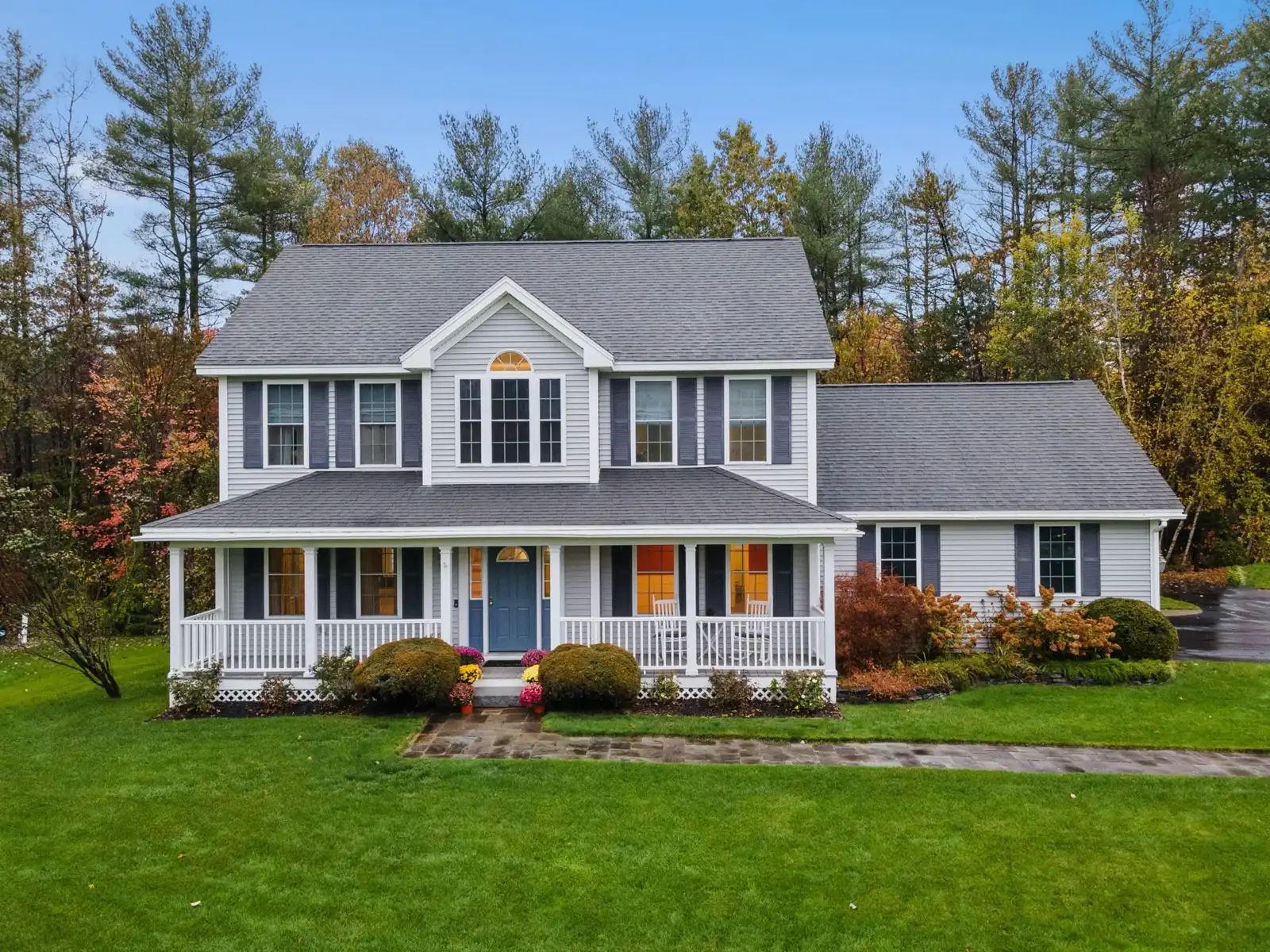
Littleton is one of the towns where I do a lot of my work. It sits where I-495 meets Route 2, with a quiet town feel, a lot of open and conservation land, and homes that range from old farmhouses near Littleton Common to newer colonials tucked into the woods.
Because the housing is so mixed, there is no one way to paint a Littleton home. This guide covers what I look at in town, the problems that show up most, and how to plan your project so it goes smoothly.
Old and new homes side by side
Around Littleton Common and along the older roads, you still find antique homes and farmhouses with wood clapboards, old windows, and plaster walls inside. Out in the newer neighborhoods, most homes are colonials, capes, and contemporaries built in the last few decades, with drywall, larger windows, and wood or fiber cement siding.
The older homes need careful scraping, priming, and attention to lead-safe work if they were built before 1978. The newer homes usually need less heavy prep, but they have their own issues: caulk that has shrunk around windows, nail pops in drywall, and trim that was painted quickly by the builder and is now wearing through.
Moisture from ponds, wetlands, and woods
Littleton has a lot of water and woods for a town its size, including Long Lake and Mill Pond, plus plenty of wetland and conservation areas. Homes near water or with heavy tree cover see more humidity, more mildew on the siding, and more moss on shaded trim and sills.
Paint over that without cleaning it and the new coat will not bond well. I wash and treat affected areas, let the wood dry, and prime any bare spots. If a gutter is overflowing onto the trim, that is worth fixing first, because no paint holds up to water running down the same board every storm.
Interior projects in Littleton homes
Inside, a lot of Littleton families call about the same rooms: kitchens and family rooms that get heavy use, kids' bedrooms, and hallways and stairwells with scuffed walls and trim. In these areas, a washable finish on the walls and a harder enamel on trim and doors make a big difference in how long the paint looks fresh.
Before painting, I patch nail pops, dents, and small holes, sand them flush, and spot prime so the patches do not show through. That wall prep is often what separates a paint job that looks new from one that only looks like a new color.
Choosing colors in Littleton
Littleton has a classic small New England town look, so traditional palettes work well: white or soft cream farmhouses, gray or sage colonials with white trim, and darker shutters and doors. On homes set back in the woods, slightly warmer colors tend to look better than cool, icy grays, which can look cold surrounded by green and brown.
If you have an antique home, keep in mind the house will look most at home with colors that fit its age. Inside, warm whites, soft greens, and muted blues are popular right now and work well with natural wood floors and trim.
Timing your project
Exterior painting in Littleton runs roughly from late spring to mid fall, when days and nights stay warm enough for the paint to cure. Spring rain and morning dew near ponds and wetlands can slow things down, so I plan the work around dry stretches and make sure surfaces are dry before any paint goes on.
If you want the outside done in summer, it is smart to call during winter or early spring. Interior painting can be scheduled any time of year, and winter is a good season to get inside projects done.
Trim, doors, and the small things that add up
In many Littleton homes, the walls are in decent shape but the trim tells the real story. Baseboards get kicked, door edges get chipped, and window sills inside collect condensation in winter and start to peel. These small areas are worth fixing properly, because they are what you see up close every day.
I fill and sand dings, re-caulk the joints where trim meets the wall, and repaint with a harder finish that stands up to cleaning. Interior doors can be painted on both sides and on the edges, so they close cleanly and look finished from every angle. On the outside, front doors, shutters, and garage door trim are quick projects that make a house look sharper from the street, and they can be added to an exterior job or done on their own.
Preparing for the painter
Clear the area around the house for exterior work, including patio furniture and garden decorations, and trim plants back from the walls. Inside, take down pictures and curtains, move fragile things out of the room, and let me know which rooms you need to use during the job.
My free estimate includes walking every surface with you. I point out what needs scraping, patching, or priming, and you get one clear plan. I am the owner and I am on the job, so you talk to the same person from the estimate to the final walkthrough.
Frequently asked questions
- Why is there mildew on my siding in Littleton?
- Shade, humidity, and nearby water or wetlands keep siding damp, which lets mildew grow. It needs to be cleaned and treated before painting, or it can come through the new coat and shorten the life of the paint.
- Can you paint an antique home in Littleton?
- Yes. Older homes take more prep, like scraping, sanding, and spot priming, and pre-1978 homes need lead-safe work practices. I walk the house with you during the estimate and explain what it needs.
- What paint finish is best for kitchens and hallways?
- A washable finish such as eggshell or satin on walls holds up better to cleaning, and semi-gloss or a durable enamel on trim and doors resists scuffs. Flat paint is usually saved for ceilings and low-traffic rooms.
- How far in advance should I book exterior painting in Littleton?
- For summer work, reaching out in winter or early spring gives you the most options. Exterior season is short in New England, and calendars fill up quickly once the weather warms.
Related services
Serving
Ready for an exact price?
Get a free, no-pressure in-home estimate. Real numbers for your home, not a phone guess.