
Painting a Home in Lexington, MA: Historic, Colonial, and Mid-Century
· By Efrain Maria
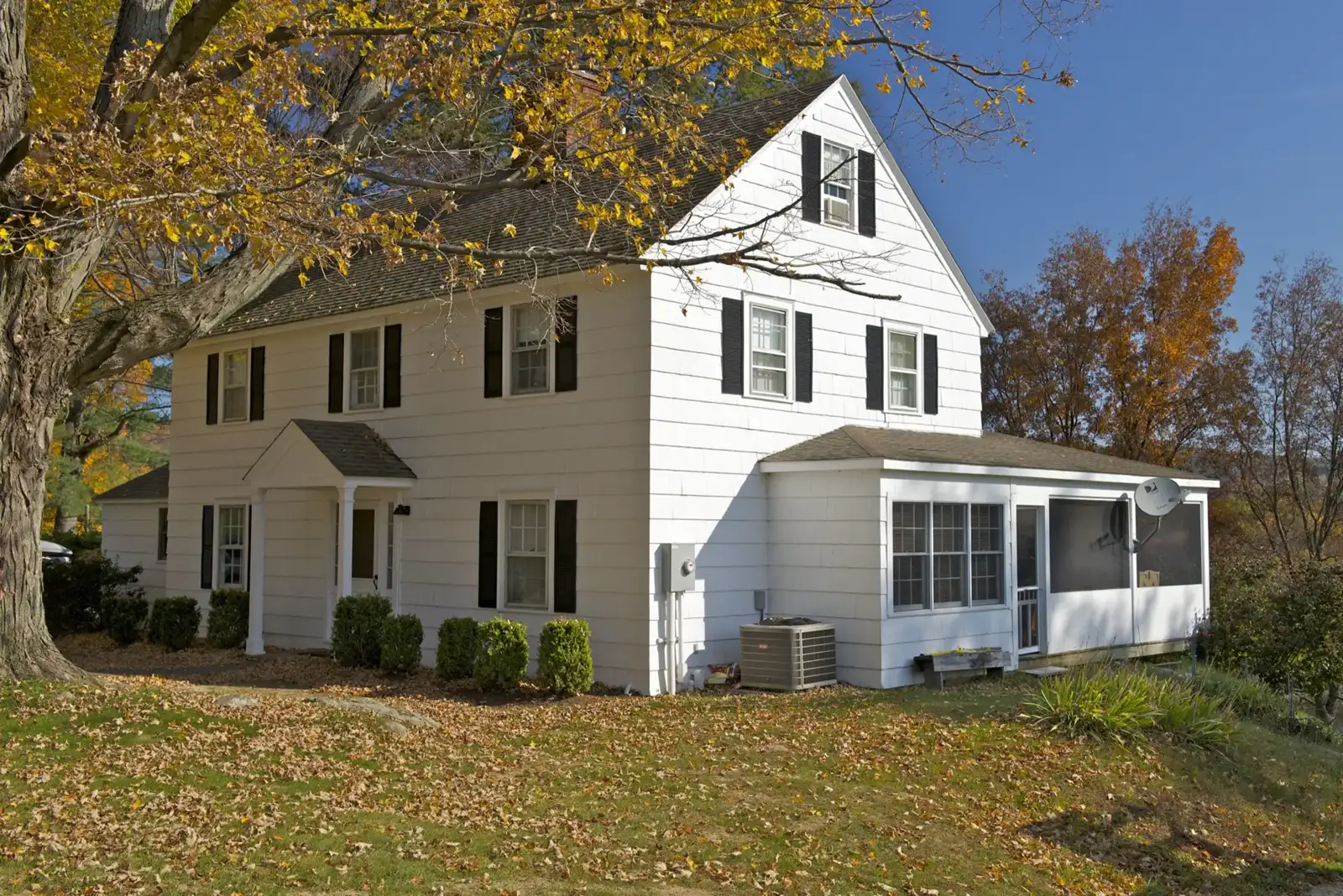
Lexington is known around the world for the Battle Green, where the first shots of the American Revolution were fired on April 19, 1775. The town takes its history seriously, and that shows in its homes: historic houses near the center, classic colonials across town, and some of the best-known mid-century modern neighborhoods in New England.
If you are planning to paint in Lexington, the type of home you have changes the plan. This guide covers what to check before changing an exterior, how different home styles should be painted, color ideas, and when to schedule.
Check the historic district rules first
Lexington has local historic districts, including areas around the Battle Green, the Hancock-Clarke House, Munroe Tavern, and East Village, and they are overseen by the town's Historic Districts Commission. In a local historic district, exterior changes visible from a public way can need review before work starts.
Whether a repaint or a color change needs approval depends on the district rules and the work involved, so if your home is in or near one of these districts, contact the town before you pick colors or schedule. It takes a little time up front, and it avoids problems later. Outside the districts, paint color is generally the homeowner's choice, though condo associations may have their own rules.
Classic colonials and older homes
Across Lexington you see a lot of colonials, garrisons, and capes, plus older homes from the 1700s and 1800s near the center and along the main roads. These houses usually have wood clapboards and painted wood trim that need regular care in our climate.
Good exterior work on these homes starts with prep: scraping loose paint, sanding edges, filling gaps, caulking joints, and priming bare wood. Older homes built before 1978 may have lead paint under newer layers, so work that disturbs it should follow lead-safe practices. Ask any painter how they will contain dust and chips.
Mid-century modern homes
Lexington is also known for its mid-century modern neighborhoods, like Six Moon Hill, Five Fields, and Peacock Farm, built in the years after World War II. These homes often have flat or low-pitched roofs, large windows, vertical wood siding, and exposed beams.
They need a different eye than a colonial. Vertical siding and exposed wood need careful prep and a finish that suits the material, and clean, simple color choices usually respect the design best. Inside, big windows and open plans mean the walls and ceilings are on display, so smooth prep and crisp lines matter even more.
Choosing colors in Lexington
For colonials and historic homes, traditional palettes work best: white, cream, muted yellow, soft gray, or deep red bodies with white or off-white trim and dark shutters. For mid-century homes, natural and earthy tones, warm grays, deep greens, and charcoal often look right, with a bright accent on the front door.
Inside, consider how much natural light the room gets. Mid-century homes with walls of glass can handle deeper colors, while older homes with smaller windows often feel better in lighter tones. Test samples before deciding.
When to schedule painting in Lexington
Exterior painting in Lexington runs roughly from late spring through early or mid fall, when the weather stays dry and temperatures stay within the paint label range day and night. If your home needs historic review, build that time into the plan and start the conversation with the town early.
Interior painting can happen year-round. Winter is a good time to get inside rooms, trim, and doors done.
Interior trim and doors in Lexington homes
Older Lexington homes often have wide, detailed trim, raised-panel doors, and window casings with many layers of old paint. Mid-century homes have simpler trim but long clean runs where any wave or brush mark shows. Either way, trim is where people notice the quality of the work first.
I fill holes and dents, sand, caulk the gaps between trim and walls, and paint with a durable enamel by brush so the lines are straight and the finish is smooth. In older homes, I take care where old paint has built up on doors and casings, so doors close properly and details do not get buried under another heavy coat. Painting trim and doors on its own is also a good project between full repaints.
How to prepare for your project
Before an exterior job, clear patios and the areas around the house, trim plants back from the walls, and gather any approvals you need. Before interior work, clear walls and shelves, take down window treatments, and move furniture away from the walls.
I offer a free estimate. I walk through the house with you, look at the siding, trim, and walls, and explain the prep each area needs. I am the person who gives the estimate and the person doing the work, so you get one clear plan and one point of contact.
Frequently asked questions
- Do I need approval to paint my house in a Lexington historic district?
- Exterior changes visible from a public way in a local historic district can need review by the Historic Districts Commission. Rules vary by district and type of work, so contact the Town of Lexington before you start.
- How should a mid-century modern home in Lexington be painted?
- With careful prep on wood siding and exposed beams, a finish suited to the material, and simple, natural color choices that respect the design. Interiors with large windows need extra attention to smooth walls and clean lines.
- What colors are traditional for Lexington colonials?
- White, cream, muted yellow, soft gray, and deep red bodies with white or off-white trim and dark shutters are classic choices for colonial homes in the area.
- Does an older Lexington home need lead-safe painting?
- If it was built before 1978, it may have lead paint. Any work that disturbs old paint should follow lead-safe practices to contain dust and chips.
- When should I book exterior painting in Lexington?
- Early in the year is best, especially if your home needs historic review. Summer calendars fill quickly, and approval time should be built into the plan.
Serving
Ready for an exact price?
Get a free, no-pressure in-home estimate. Real numbers for your home, not a phone guess.