
Painting a Home in Chelmsford, MA: Capes, Ranches, and Colonials
· By Efrain Maria
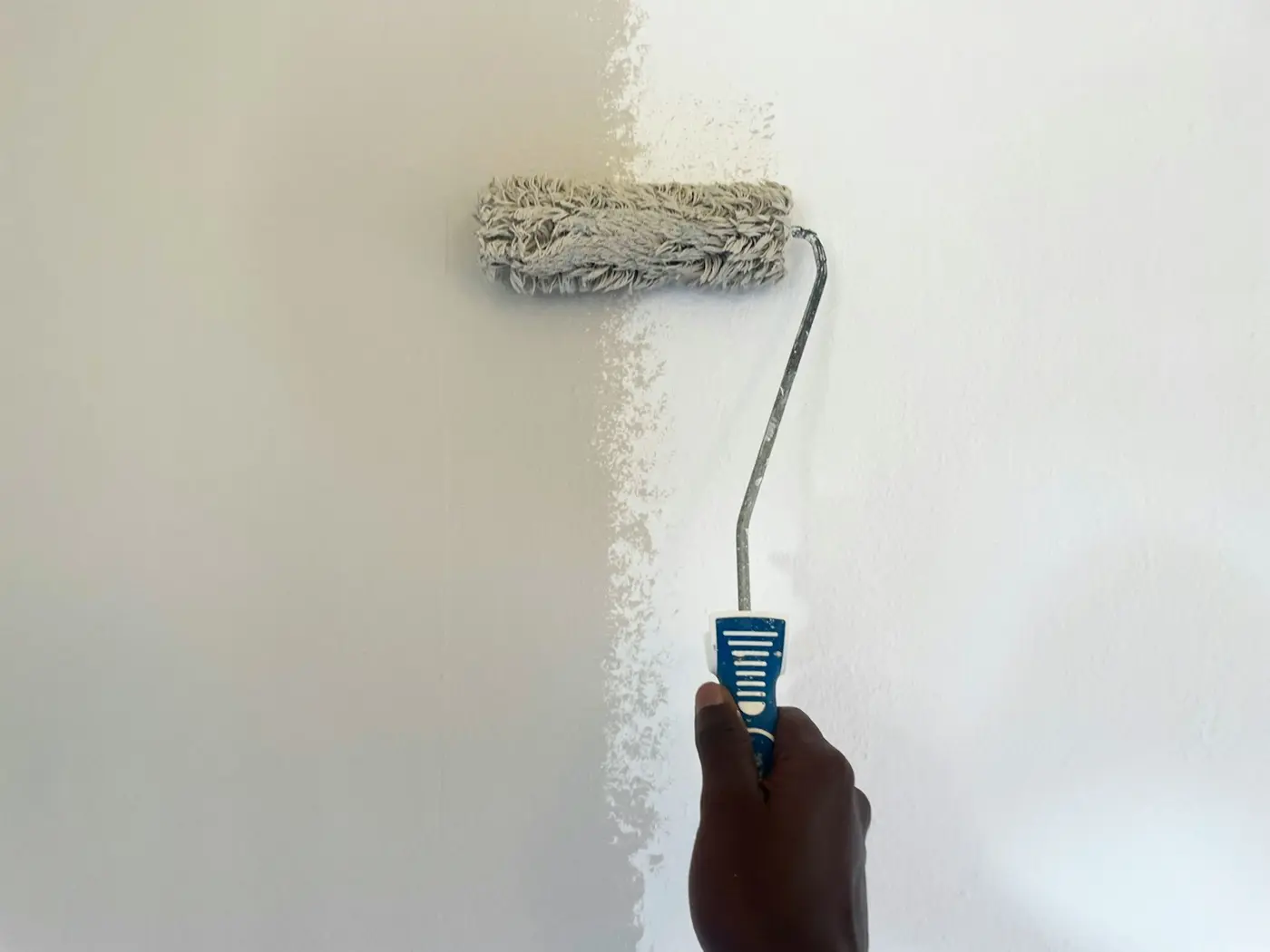
Chelmsford is right next door to Lowell, so it is one of the easiest towns for me to get to. It has Chelmsford Center with its common, North Chelmsford along the Merrimack, and a lot of residential neighborhoods where families have lived in the same house for years.
Many Chelmsford homes are at the stage where they have been painted a few times and are ready for a proper refresh, not just another quick coat. This guide covers what those homes usually need, what I look for, and how to plan your project.
The typical Chelmsford house
Chelmsford grew a lot after World War II, so you see many capes, ranches, split-levels, and garrison colonials from the 1950s through the 1980s, along with newer colonials and some much older homes near the center and in North Chelmsford. Siding is often wood clapboard or shingles, sometimes covered with vinyl, with painted wood trim either way.
Inside, homes from this period often have a mix of plaster and drywall, especially if they have been renovated over the years. You see finished basements, added family rooms, and kitchens updated at different times, which means walls with different textures and old patches that do not quite match.
Common problems I see in Chelmsford homes
On exteriors, the usual issues are peeling on window sills and lower trim, worn paint on the south and west sides where the sun hits hardest, and mildew on shaded sides. On homes with vinyl siding, the wood trim, doors, and garage door frames are often the only painted parts, and they get neglected.
Inside, I see a lot of nail pops, settlement cracks above doors and windows, poorly patched holes from old shelves and TVs, and trim that was painted with the wrong type of paint years ago and is now chipping. These are all fixable, but they need to be fixed before painting, or the new color will only highlight them.
Wall prep makes the difference
Good wall prep is the part of a paint job most people never see, but it is what makes the final result look clean. That means scraping loose paint, filling cracks and holes, sanding patches flat, spot priming, and caulking the gaps between trim and walls.
In older capes with sloped ceilings in the upstairs bedrooms, the joint where the slope meets the wall is a common place for cracks. Taking time to repair it properly keeps the line straight and stops the crack from coming right back through the new paint.
Color ideas for Chelmsford homes
Capes and ranches look good in simple palettes: a soft gray, blue, sage, or cream body with white trim, and a front door in a stronger color. Garrison colonials can carry deeper colors like navy, charcoal, or barn red, especially with white trim and black shutters.
Inside, if your home has smaller rooms and lower ceilings, lighter colors help the space feel bigger. Painting ceilings a clean flat white and trim a slightly brighter white than the walls is a simple way to make older rooms feel fresher.
Best time to paint in Chelmsford
For exteriors, plan on the warm months, roughly late spring through early or mid fall. Follow the temperature range on the paint can, and keep in mind that morning dew and cool nights in spring and fall can shorten the working day. Summer has the most reliable weather, but also the busiest calendars.
Interior painting can happen any time. Many Chelmsford families like to get rooms painted in late fall before the holidays, or in winter when outdoor work is on pause.
Painting inside a ranch or split-level
Ranches and split-levels are some of the most common homes in Chelmsford, and they have a few things in common. Split-levels have short stair runs between floors, with railings, spindles, and stair skirts that take careful brush work. Ranches often have long hallways and finished basements where walls may be a mix of drywall and paneling.
Painted paneling can look good if it is cleaned, scuffed, and primed with the right bonding primer first. In basements, moisture is the main concern, so any damp spots or efflorescence on concrete should be dealt with before painting. In living areas, a single neutral wall color through the main floor helps a ranch feel more open, with color saved for bedrooms or an office.
How to get ready
Inside, clear the walls, take down curtains, and move furniture to the middle of the room or into another room. Outside, move anything sitting against the house, trim shrubs, and keep pets inside during the work. If there are areas you are worried about, like a soft sill or a stain on the ceiling, point them out during the estimate.
The estimate is free and there is no obligation. I walk the house with you, explain the prep, and give you a clear number. You deal with me directly, from the first visit to the last coat.
Frequently asked questions
- Why do the window sills on my Chelmsford house keep peeling?
- Sills sit flat and catch water and sun, so they wear faster than the rest of the house. They need to be scraped, sanded, primed where bare, and painted with a durable exterior finish. Soft or rotted wood should be repaired first.
- Can you paint the trim on a house with vinyl siding?
- Yes. On vinyl-sided homes, the wood trim, doors, shutters, and garage door frames are usually the painted parts. Refreshing them can make the whole house look cleaner.
- Why do cracks come back after painting?
- Usually because the crack was only painted over instead of repaired. Opening it up, filling it properly, sanding it flat, and priming before painting gives a longer-lasting fix.
- Should ceilings be painted when I repaint a room?
- Often it is worth it. Ceilings yellow and collect stains over time, and a fresh flat white ceiling makes the new wall color look its best. It is easiest to do in the same visit.
- Can you paint the stair railings and spindles in a split-level?
- Yes. Railings, spindles, and stair skirts are done by brush after cleaning, light sanding, and priming where needed, with the stairs and floors protected so the house stays usable during the job.
Ready for an exact price?
Get a free, no-pressure in-home estimate. Real numbers for your home, not a phone guess.