
Painting a Home in Acton, MA: A Guide for Village and Suburban Homes
· By Efrain Maria
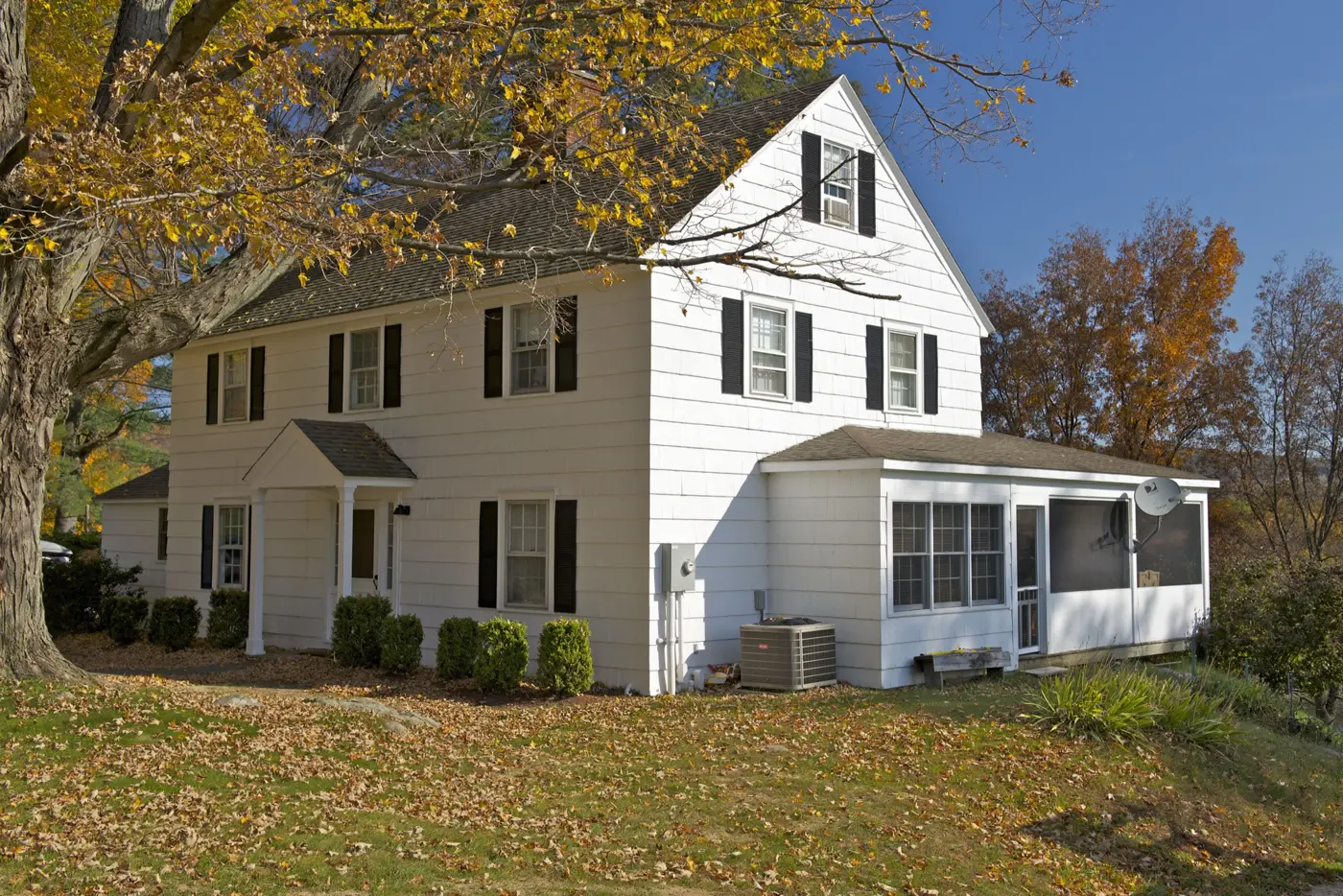
Acton is a town with deep roots. Its minutemen, led by Captain Isaac Davis, marched to the North Bridge in Concord on April 19, 1775, and the town still has its historic villages: Acton Center, South Acton, West Acton, and North Acton. Around them, neighborhoods of colonials and contemporaries fill in the rest of town.
That mix means painting in Acton can mean anything from careful work on an antique house to a full refresh of a newer family home. This guide covers what I look for in each, how to choose colors, and how to plan the timing.
Village homes and newer neighborhoods
In and around the villages, you find older homes with wood clapboards, original or older windows, and detailed trim, many of them well over a century old. Away from the villages, most homes were built from the mid 20th century on: colonials, capes, split-levels, and contemporaries, often on wooded lots with long driveways.
These two groups need different approaches. Older homes need more prep and more care with original wood. Newer homes usually have solid surfaces but large areas of siding and trim, plus interiors with open plans, tall walls, and lots of painted doors and baseboards.
Painting an older Acton home
On antique homes, I spend most of the time on prep: scraping loose paint, feathering edges, filling cracks in old wood, re-caulking where needed, and priming bare spots. Old wood moves with the seasons, so a flexible, high-quality exterior paint and good caulking help the finish hold up through freeze and thaw.
If the house was built before 1978, lead paint is likely somewhere under the newer coats. Work that disturbs it should follow lead-safe practices to contain dust and chips. Ask any painter how they handle it before you hire them. And if your property is in a designated historic area or you are changing more than paint, check with the town before work begins.
Painting a newer Acton home
On newer homes, the most common issues are mildew on the shaded sides, worn trim around windows and doors, and caulk joints that have cracked open. Inside, families usually call about scuffed hallways and stairwells, kids' rooms, and trim and doors that have yellowed or chipped.
For interiors, I patch dents and holes, fix nail pops, sand, spot prime, and then paint with a washable finish on walls and a harder finish on trim. Doors and baseboards take the most abuse in a busy house, so they get a durable enamel and careful brush work.
Colors that suit Acton
For village homes, traditional New England colors look most at home: white, cream, pale yellow, and muted gray bodies with white trim and black or dark green shutters. For newer colonials on wooded lots, warmer grays, greens, and deep blues fit nicely with the trees.
Inside, warm whites and soft neutrals work well in open plans, while studies, dining rooms, and bedrooms are good places for deeper colors. Put up samples and look at them morning and evening, since wooded lots can make rooms darker and change how a color reads.
When to schedule in Acton
Exterior painting season in Acton runs roughly from late spring to mid fall. Paint needs dry surfaces and temperatures within the label range day and night while it cures. Wooded lots dry out more slowly after rain, so on shaded homes I plan around dry stretches.
Book exterior work early in the year if you want it done in summer. Interior projects are easy to schedule in any season, including winter.
Wall repair before the paint goes on
Whether your Acton house is two hundred years old or twenty, the walls usually need some repair before a new color looks right. Older homes have plaster with cracks that follow the old framing, and sometimes areas where the plaster has loosened from the lath. Newer homes have drywall with nail pops, seams that show through, and dents from years of family life.
I open up cracks, fill them in layers, sand them flat, and spot prime so the patch does not flash through the finish coat. Loose plaster gets secured before it is patched. Small water stains on ceilings get a stain-blocking primer first. This is the part of the job you do not see when it is finished, and it is what makes the paint look smooth.
How to prepare your Acton home
Outside, clear decks and patios near the house, trim shrubs and low branches, and let me know about any areas with soft wood or recurring peeling. Inside, take down art and curtains, clear shelves, and move furniture away from the walls.
I come out for a free estimate, walk the house with you, and explain the prep each surface needs. I am the owner, I give the estimate, and I do the painting, so you have one person to talk to from start to finish.
Frequently asked questions
- Is painting an antique house in Acton different from a newer one?
- Yes. Older homes need more scraping, filling, and priming, and pre-1978 homes need lead-safe work practices. Newer homes usually need less heavy prep but have more surface area and more interior trim.
- Do I need town approval to paint my house in Acton?
- Most homeowners can repaint without approval. If your property is in a designated historic area or you are changing siding, trim, or windows, check with the Town of Acton before starting.
- How do I keep mildew from coming back on a shaded house?
- Clean and treat the siding before painting, let it dry fully, trim plants and branches back to let in air and sun, and keep gutters clear. These steps help the new paint last longer.
- What is the best finish for doors and baseboards?
- A durable semi-gloss or enamel finish holds up to scuffs and cleaning. It also shows brush marks more, so careful application matters.
- How do I get a price for painting my Acton home?
- Book a free estimate. I come out, walk the house with you, look at the siding, trim, and walls, and give you a clear written number with no obligation.
Serving
Ready for an exact price?
Get a free, no-pressure in-home estimate. Real numbers for your home, not a phone guess.