
Flat vs Eggshell vs Satin vs Semi-Gloss: Which Paint Finish Where?
· By Efrain Maria
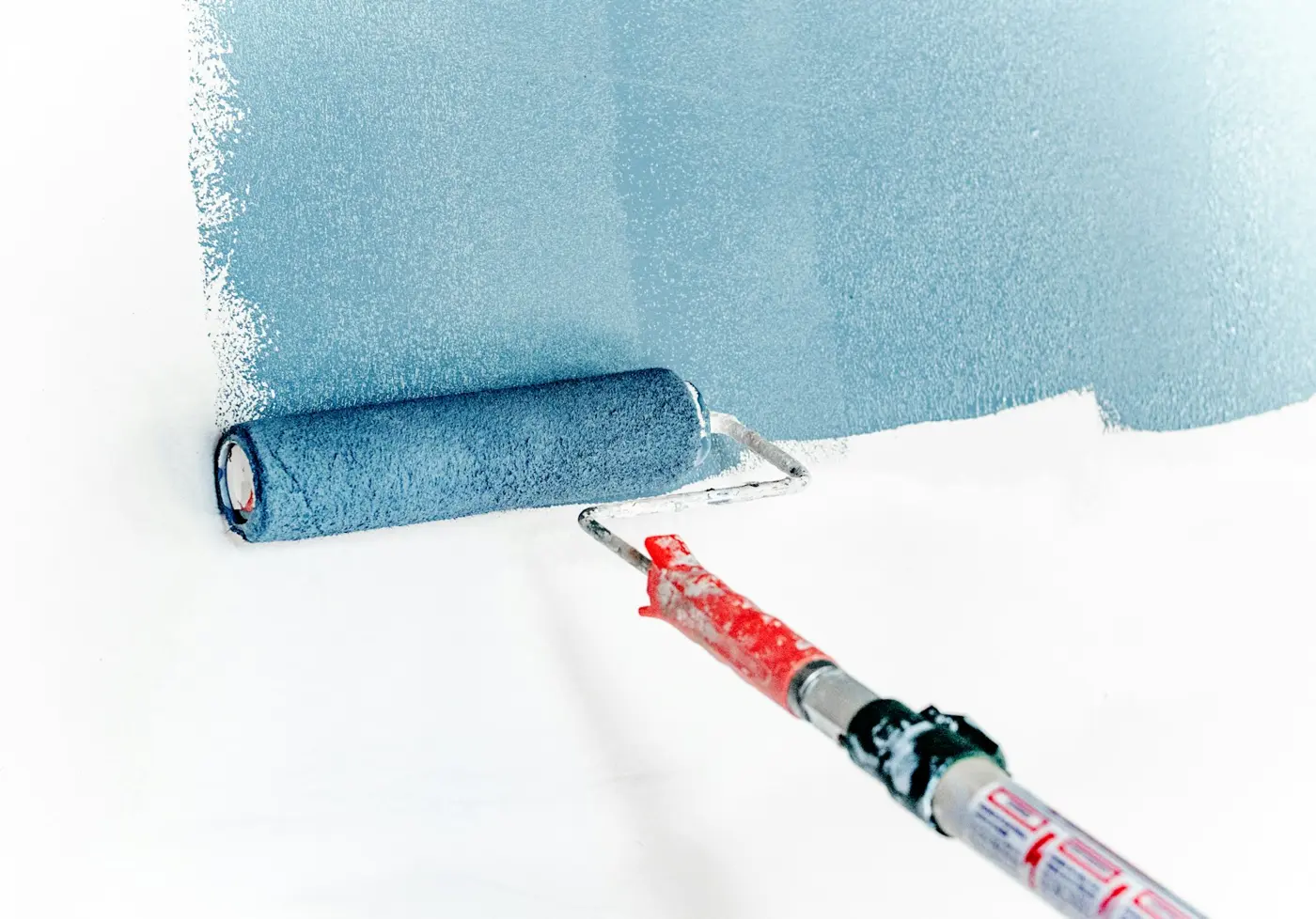
Picking a color gets all the attention, but picking the finish, also called the sheen, matters just as much. The same color looks different in flat and in semi-gloss, and the finish decides how easy the wall is to clean and how much it shows every dent and patch.
Here is a plain guide to the four finishes most homeowners choose between, what each one is good at, and where we usually recommend each one in a typical Massachusetts home. Sheen names and levels vary a bit between paint brands, so think of this as a general map.
Flat (or matte): hides flaws, harder to clean
Flat paint reflects very little light. That is its big advantage: it hides small dents, patches, and uneven drywall better than any other finish. It also gives color a soft, rich look.
The tradeoff is durability. Traditional flat paint can mark easily and does not always handle scrubbing well. Many modern matte paints are more washable than older flats, but they are still best in rooms with less traffic.
Where it works well: ceilings, adult bedrooms, formal living and dining rooms, and older homes with plaster walls that are not perfectly smooth.
Eggshell: the everyday wall finish
Eggshell has a slight glow, a little more than flat but still low. It cleans better than flat while still hiding most wall imperfections. That balance makes it one of the most common choices for walls in a home.
Where it works well: living rooms, family rooms, hallways in lighter use, bedrooms, and most general wall areas.
Satin: more washable for busy rooms
Satin has a noticeable soft shine and stands up better to wiping and scrubbing. That makes it a good fit for rooms that take a beating. The catch is that the extra sheen shows more of the wall underneath, so prep matters more. Patches and dents that disappear under flat paint can show in satin if they are not sanded and primed well.
Where it works well: kitchens, kids' rooms, busy hallways, mudrooms, and laundry rooms. Some homeowners also use satin on trim for a softer look than semi-gloss.
Semi-gloss: the trim and door workhorse
Semi-gloss is shiny, hard, and very washable. It is the traditional choice for trim, baseboards, door casings, and doors because those surfaces get touched, kicked, and bumped. It wipes clean and resists moisture well.
Because it reflects a lot of light, semi-gloss shows every flaw, which is why it is rarely used on large wall areas. On trim, careful sanding and good brush work make a big difference in how it looks.
Where it works well: baseboards, window and door trim, doors, and bathroom walls in homes where moisture is a concern.
Bathrooms and moisture
Bathrooms deal with steam every day. A finish that resists moisture and cleans easily, often satin or semi-gloss, or a paint made specifically for bathrooms, holds up better than flat. Good ventilation matters as much as the paint. A bathroom without a working exhaust fan will fight mildew no matter what finish is on the walls.
Small half baths without a shower are a different case. They see less steam, so many homeowners use the same eggshell or satin as the rest of the house. Full baths with a tub or shower are where a moisture resistant finish really earns its place, especially on the wall behind the shower and on the ceiling above it.
A simple room by room starting point
Ceilings: flat. Living room and bedrooms: flat, matte, or eggshell. Kitchen and kids' rooms: eggshell or satin. Hallways and mudrooms: satin. Bathrooms: satin, semi-gloss, or a bathroom specific paint. Trim, doors, and baseboards: semi-gloss or satin.
Use this as a starting point, not a rule. If your walls have a lot of patches or old plaster, a lower sheen will look better. If you have young kids and a dog, a more washable finish may be worth the tradeoff.
Changing sheen on a repaint
If you are going from a glossy finish to a flatter one, or painting over old oil based trim with water based paint, the surface usually needs to be sanded or primed so the new paint grips. Skipping that step is a common reason paint peels off trim.
At your estimate, ask about sheen as well as color. We can show you how each finish looks in your own light and help you choose what fits how you use each room.
How finish changes the way color looks
The same paint color looks a little different in each sheen. Higher sheens reflect more light, so the color can look slightly brighter and a bit lighter, while flat finishes absorb light and can make the color look deeper. That is why a swatch on a card does not always match the wall.
Light in the room matters too. A north facing room in a New England winter gets soft, cool light, while a south facing room gets strong, warm sun for part of the day. Testing a sample patch in the actual finish on the actual wall, and looking at it morning and evening, is the best way to avoid surprises.
Frequently asked questions
- What is the most common paint finish for walls?
- Eggshell is one of the most common because it balances a low sheen that hides flaws with better washability than flat paint.
- Should ceilings be flat paint?
- In most homes, yes. Flat paint reduces glare and hides imperfections, which matters on a large surface you see from below with light hitting it at an angle.
- What is the difference between satin and eggshell?
- Satin has a bit more shine and is more washable. Eggshell is lower sheen and hides wall flaws a little better. Satin suits busy rooms, eggshell suits general living spaces.
- Why is trim painted in semi-gloss?
- Trim and doors are touched and bumped often. Semi-gloss is hard and easy to wipe clean, and its shine gives trim a crisp contrast against the walls.
- What paint finish is best for a bathroom?
- Usually satin, semi-gloss, or a paint made for bathrooms, because they resist moisture and clean easily. A working exhaust fan matters just as much.
Related services
Ready for an exact price?
Get a free, no-pressure in-home estimate. Real numbers for your home, not a phone guess.