
How Often Should You Paint Your House Exterior in New England?
· By Efrain Maria
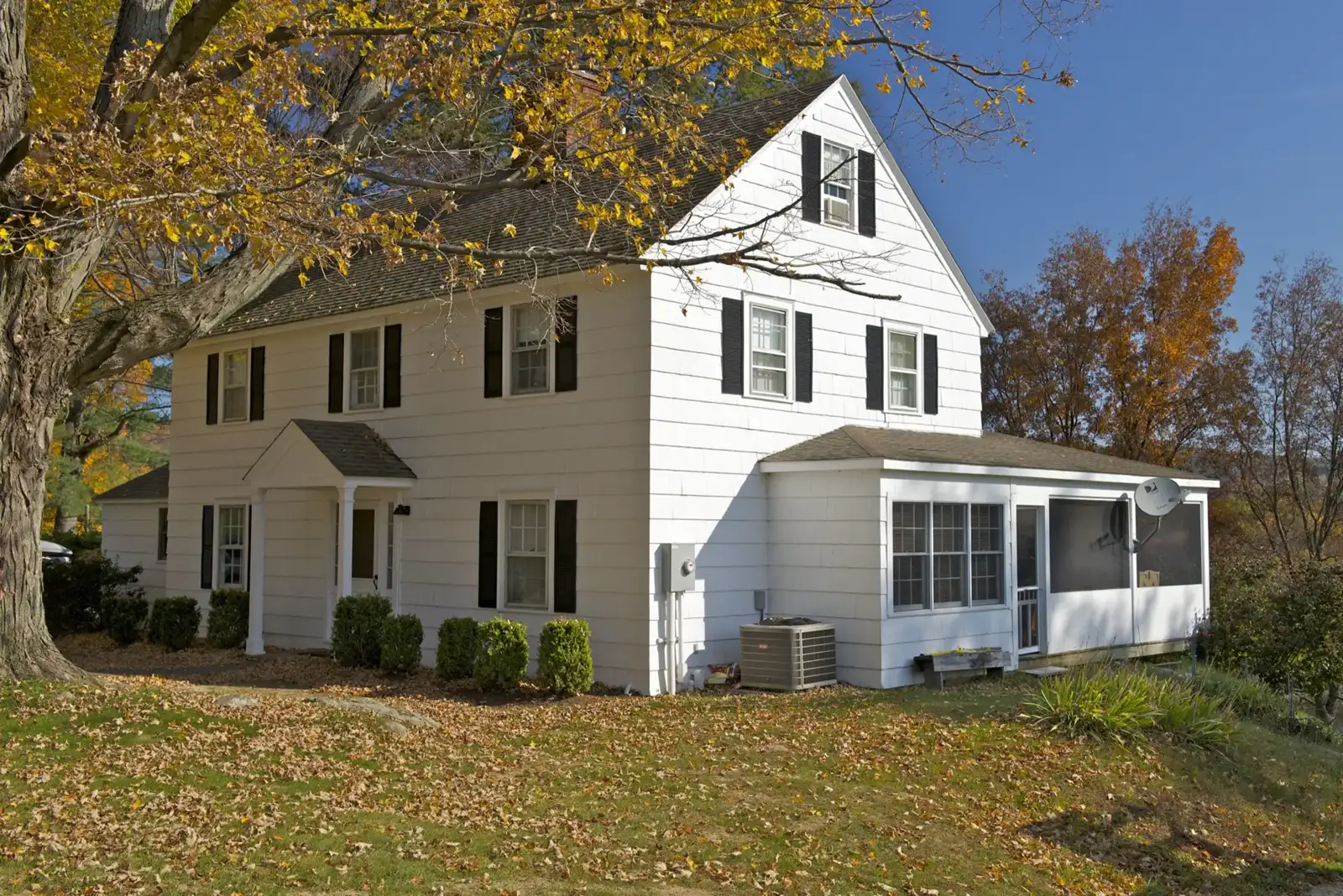
There is no single number for how often a house needs exterior paint. A south facing wall of wood clapboard in full sun wears out much faster than a shaded wall of fiber cement on the same street. Our New England weather, with freezing winters, wet springs, and humid summers, is hard on paint, so it pays to know what to expect.
This guide gives you realistic repaint ranges for common siding types in Massachusetts and southern New Hampshire, explains what shortens or stretches those ranges, and shares the simple maintenance that buys you extra years.
Typical repaint ranges by siding type
Painted wood clapboard: many New England homes need a full repaint somewhere around every five to ten years. The range is wide because prep quality, paint quality, and sun exposure make a huge difference. A well prepped job with good paint tends to land toward the longer end.
Painted cedar shingles: often in a similar range to clapboard, though the many edges and the way shingles move with moisture can make them wear unevenly. Fiber cement siding usually holds paint longer, and many homeowners go ten years or more between repaints. Vinyl and aluminum siding are not usually painted on a schedule, but the trim, doors, and shutters on those houses still need attention.
These are general patterns, not promises. The best way to know is to look closely at your own house every year or two.
Trim and doors wear out first
Window sills, the bottom of corner boards, and the front door take more water and sun than the siding. Trim often needs touch up or repainting before the walls do. Painting just the trim in between full jobs is a common way to keep a house looking sharp and protect the wood.
Front doors in particular take a beating from hands, keys, weather, and sun. A fresh coat on the door is one of the most noticeable changes you can make, and it usually costs far less than a full exterior.
What shortens the life of exterior paint
Sun is the biggest factor. South and west facing walls fade and chalk faster. Dark colors absorb more heat, which can make them fade and stress the wood more than light colors.
Moisture is the second. Clogged gutters, sprinklers hitting the siding, bushes that keep walls damp, and gaps that let water behind the paint all lead to peeling. In New England, ice dams and melting snow can push water into places it does not belong.
Poor prep is the third, and it is the one you control. Paint applied over chalky, dirty, or loose old paint simply does not bond well, no matter how good the can says it is.
What stretches the time between paint jobs
Start with the prep. A thorough wash, scraping off all loose paint, sanding edges, spot priming bare wood, and caulking open joints give the new paint something solid to hold on to. Two finish coats usually last longer than one.
After the job, small habits help. Keep gutters clean, trim plants back from the walls, and point sprinklers away from the house. Once a year, walk around and look for cracks in caulk, small peeling spots, and soft wood. Fixing a small spot early is cheap. Waiting until it spreads is not.
Signs it is time instead of the calendar
Instead of counting years, watch for the signals. Peeling or flaking paint, cracking, chalky residue that rubs off on your hand, faded color on the sunny side, and failed caulk around windows all mean the paint is no longer protecting the wood well.
If you are seeing those signs on more than a few spots, it is usually better to plan a repaint before the next winter rather than after. Bare wood through a New England winter can turn a painting job into a repair job.
Planning a repaint cycle that fits your budget
Some homeowners prefer to do the full house every several years. Others rotate: trim and the sunny sides one year, the rest a couple of years later. Both can work. What matters is not letting any side go so long that the wood starts to fail.
If you are not sure where your house stands, an estimate visit is a good checkpoint. We walk every side with you, point out what needs attention now and what can wait, and you decide what makes sense.
How New England weather wears paint down
Our climate puts paint through a lot. Wood swells when it is wet and shrinks when it dries, and it moves again with every freeze and thaw. Paint has to flex with all of that, year after year. Over time it loses flexibility, cracks, and lets water in.
Coastal salt is less of an issue inland around Lowell and the Merrimack Valley, but long winters, spring rain, and humid summers make up for it. Houses under big trees deal with shade, damp siding, and mildew, while open lots take more sun. Each house wears in its own pattern, which is why two neighbors on the same street can be on very different repaint schedules.
Frequently asked questions
- How many years does exterior paint last in New England?
- On painted wood siding, many homes need a repaint every five to ten years. Sun exposure, moisture, prep quality, and paint quality decide where in that range a house falls.
- Do I need to repaint the whole house at once?
- Not always. Trim and the sunny sides often wear out first, and painting those in between full jobs is a common way to protect the house and spread out the cost.
- Does color affect how long exterior paint lasts?
- Yes. Dark colors absorb more heat and tend to fade faster, especially on south and west walls. Lighter colors generally hold their look longer in full sun.
- Is it bad to wait too long to repaint?
- It can be. Once paint fails, bare wood takes on water, and a New England winter can turn that into rot. Repainting in time is usually much cheaper than replacing damaged trim and siding.
- How do I know if my house needs paint this year?
- Look for peeling, cracking, chalky residue, faded color, and failed caulk. If you are not sure, book a free estimate and we will walk the house with you and give you an honest read.
Related services
Ready for an exact price?
Get a free, no-pressure in-home estimate. Real numbers for your home, not a phone guess.