
The Best Time of Year to Paint Your House Exterior in New England
· By Efrain Maria
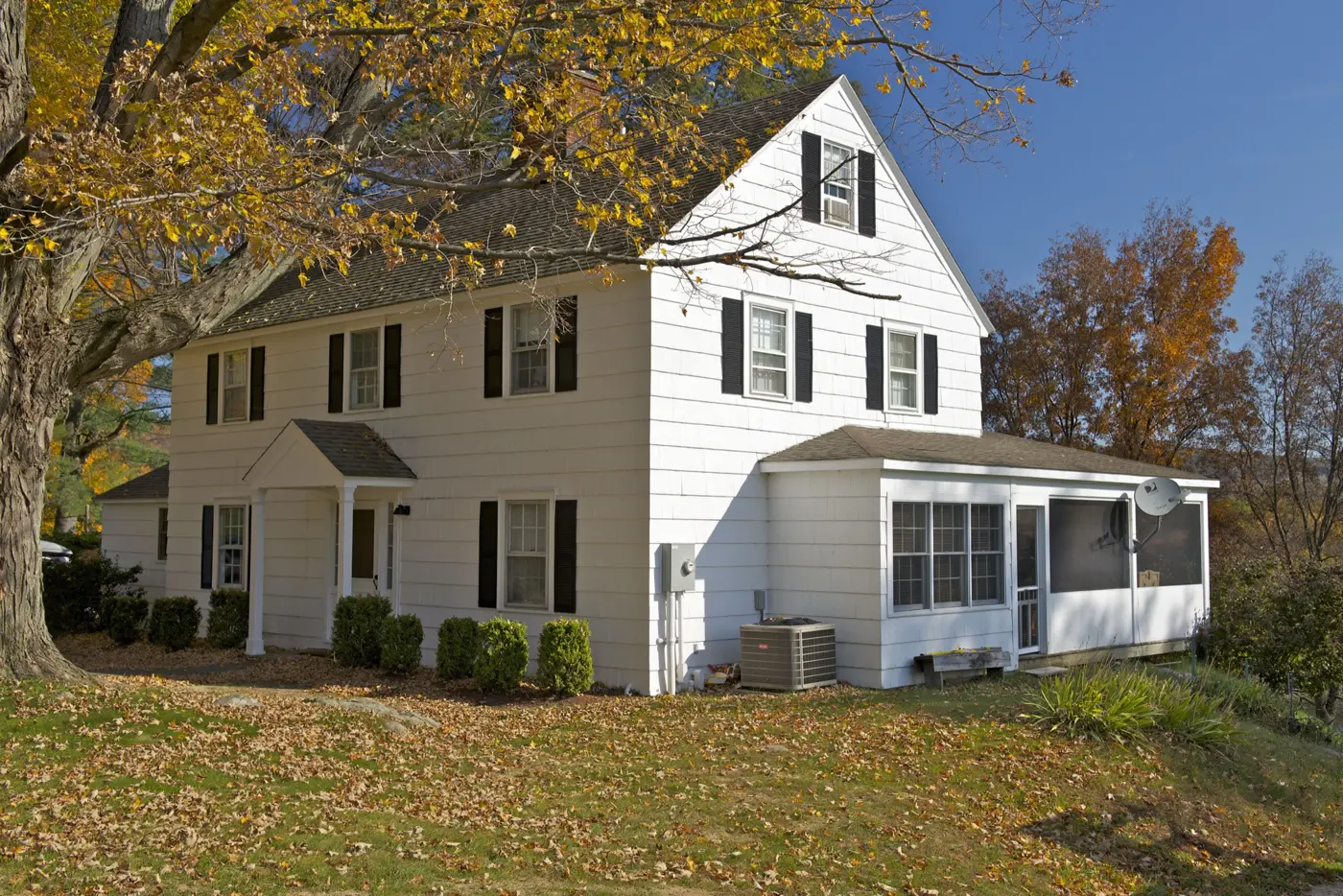
In New England, the weather decides a lot about exterior painting. Paint that goes on in the wrong conditions can blister, stay tacky, or fail years earlier than it should. Paint that goes on in the right window can look good for a long time.
Here is how we think about timing for exterior jobs around Lowell, the towns west toward Westford and Littleton, and up into southern New Hampshire. The short version: late spring through early fall is the season, with some of the best days coming in late summer and September. The longer version explains why, and how to plan around it.
Temperature is the first rule
Most exterior latex paints are made to go on when the air and the surface are at least around 50 degrees and will stay above that while the paint dries. Some products are labeled for lower temperatures, sometimes down to the mid thirties, but the label on the can is the rule, not a guess.
The surface temperature matters as much as the air. A north wall in the shade can be much colder than the thermometer on the porch, and a south wall in full sun can get too hot in July. That is why a good painter moves around the house during the day, following the shade on hot days and the sun on cool ones.
Dew and evening moisture
This is the one many people miss. Even on a nice fall day, temperatures drop in the late afternoon and dew settles on siding. If that moisture hits paint that has not set yet, it can leave marks, streaks, or a dull, uneven finish.
In September and October we usually start a little later in the morning, after the dew burns off, and stop painting early enough that the coat has a few hours to set before evening. It means shorter painting days in the fall, which is part of why fall jobs can take a little longer on the calendar.
Rain, humidity, and wet wood
Paint needs a dry surface. After a rainy stretch, wood siding can hold moisture for a day or more, especially on the shady side of the house. Painting over damp wood traps that water, and it tries to escape later as blisters and peeling.
High humidity slows drying too. Muggy July days are not off limits, but they call for more care with timing. A painter who keeps an eye on the forecast and is willing to wait a day is protecting your paint job, not wasting time.
Season by season in Massachusetts and southern NH
Spring: in a typical year, reliable painting weather starts around late May, once nights stay warmer and the siding dries out from the snow melt and spring rains. April can work on some days, but cold nights make it risky.
Summer: June through August is wide open for painting, with the main concerns being heat, direct sun on dark colors, and humidity. Many painters' schedules fill up fastest for these months.
Fall: September and early October often bring the most comfortable painting weather of the year, with dry air and mild temperatures, as long as you work around dew and shorter days. By late October and November, cold nights usually close the season for most exterior work.
Winter: exterior painting is generally off the table. That is when interior projects make the most sense.
When to book your exterior painter
Because the season is short, the calendar fills early. Many homeowners start getting estimates in late winter or early spring for work the same year. If you call in July for a big exterior job, you may be looking at September or the next spring.
Booking early also gives time to deal with surprises like rotted trim that needs a carpenter before painting. Getting the estimate in winter or early spring lets you plan the whole thing calmly instead of rushing it.
A few practical planning tips
Trim back shrubs and branches touching the house before the crew arrives so ladders can get in and the paint does not get rubbed. Plan around big family events or outdoor projects, since the crew will be moving around the outside of the house for several days.
Ask how the painter handles weather delays. Rain days are normal in New England, and a clear plan for rescheduling avoids frustration on both sides.
What happens when paint goes on in bad weather
Paint applied too cold may never form a proper film. It can stay soft, crack early, or fail to bond to the surface. Paint that gets hit by rain or heavy dew before it sets can wash out, streak, or leave a blotchy surface that needs to be redone.
The damage is not always visible right away. Sometimes a job looks fine in October and starts peeling the next spring. That is why we would rather move a day on the schedule than paint into bad conditions. A short wait costs nothing. A failed coat costs a whole repaint.
Frequently asked questions
- What is the best month to paint a house exterior in Massachusetts?
- Late spring through early fall is the season. Many painters consider September one of the best months because of mild temperatures and drier air, as long as work stops early enough to avoid evening dew.
- How cold is too cold to paint outside?
- Most exterior latex paints need the air and surface to be around 50 degrees or warmer while the paint dries. Some products allow lower temperatures, but the label on the can is the rule to follow.
- Can you paint a house right after it rains?
- It is better to wait until the siding is fully dry, which can take a day or more on shady sides. Painting over damp wood can trap moisture and lead to blistering and peeling.
- When should I book an exterior painter in New England?
- Late winter or early spring is a good time to get estimates. The painting season is short and schedules fill up, especially for summer.
- Can exterior painting be done in November?
- Sometimes on mild days, but cold nights and short days make it risky for most of the region. Many homeowners use the late fall and winter for interior work and schedule the exterior for spring.
Related services
Ready for an exact price?
Get a free, no-pressure in-home estimate. Real numbers for your home, not a phone guess.